
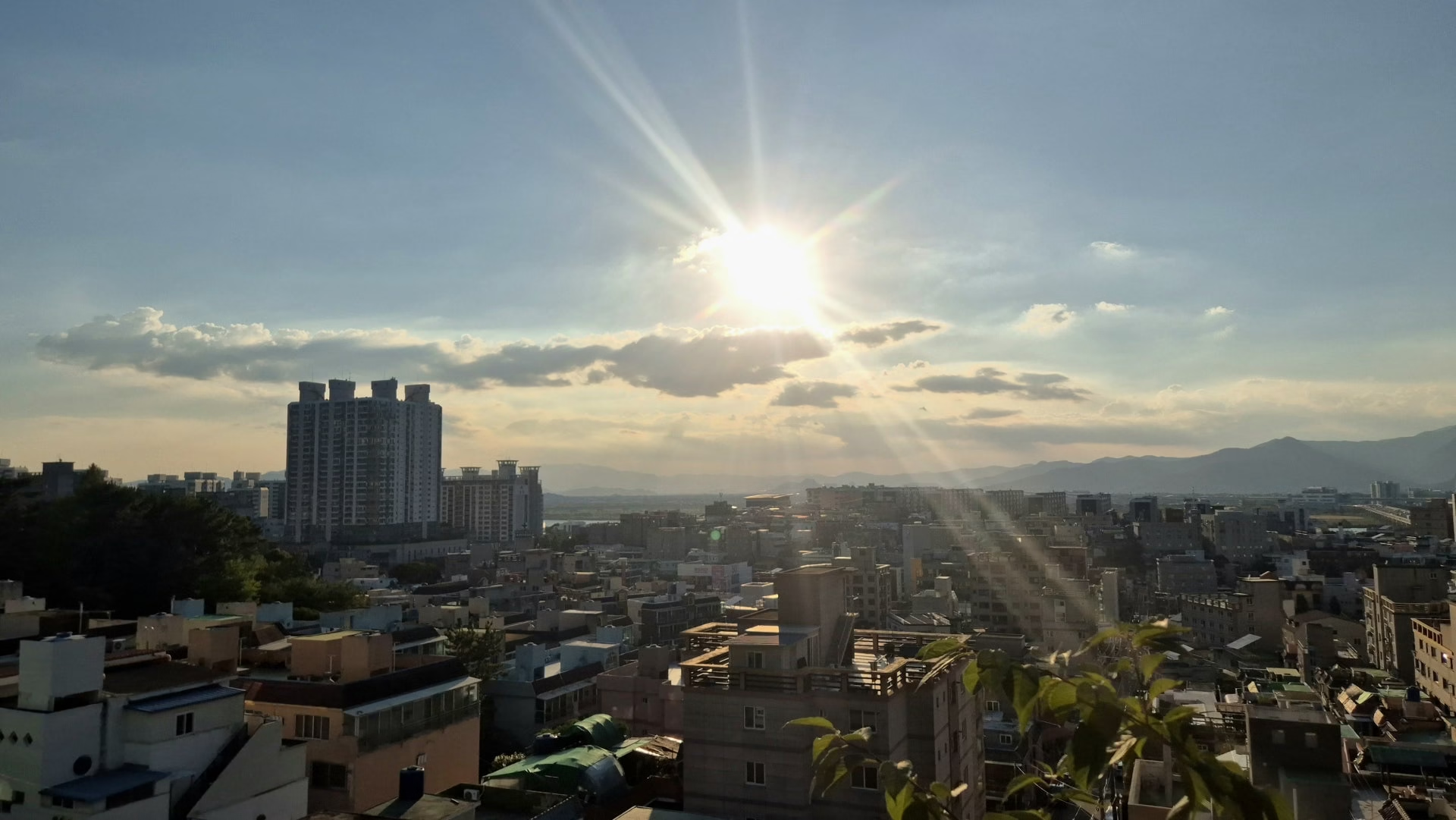
busan tourist attractions
Experience the vibrant culture and stunning coastal views that make this South Korean city a favorite destination. From historic temples to bustling fish markets, there’s something to captivate every traveler.
What are the must-see tourist attractions in Busan for first-time visitors?
Must-see tourist attractions in Busan include Haeundae Beach for its vibrant coastal experience, Gamcheon Culture Village with its colorful art and hillside views, and Beomeosa Temple showcasing historic Buddhist architecture. These sites together offer a rich blend of natural beauty, cultural heritage, and urban charm that define Busan's unique appeal.
Top Busan Tourist Attractions for First-Time Visitors
Imagine arriving in Busan for the first time, eager to capture the city's essence through its most iconic spots. Among the top destinations, Haeundae Beach stands out with its sweeping sandy shorelines and vibrant atmosphere, offering a quintessential coastal experience. Meanwhile, the Gamcheon Culture Village presents a striking contrast with its colorful hillside houses and artistic murals, inviting visitors to explore a creative enclave. For panoramic city views, the Busan Tower in Yongdusan Park offers an accessible vantage point that encapsulates the urban and natural blend of Busan. These sites collectively provide a balanced introduction to the city’s culture, history, and scenic beauty. For a comprehensive list, check out things to do in busan.
Exploring Busan's Historic Landmarks and Cultural Heritage
Beomeosa Temple: A Spiritual Retreat
Set against the backdrop of Geumjeongsan Mountain, Beomeosa Temple offers a glimpse into Busan’s rich Buddhist heritage dating back to the 7th century. Its tranquil courtyards and ancient architecture invite reflection and discovery.
Dongnae Eupseong Fortress: A Glimpse into the Past
This historic fortress, once a strategic military site, reveals the city’s defensive history with well-preserved walls and gates. Walking its perimeter offers insight into Busan’s role during various historical conflicts.
Busan Modern History Museum: Cultural Chronicles
The museum presents artifacts and exhibits that narrate Busan’s transformation from a fishing village to a bustling metropolis, highlighting cultural shifts and historical milestones.
These landmarks collectively illustrate Busan’s layered past and cultural depth, contrasting with its modern urban landscape. For detailed planning, refer to the busan travel guide.
Popular Attractions Along Busan's Scenic Coastline
Haeundae Beach
Famous for its wide sandy stretch and lively summer festivals, this beach is a hub for sunbathers and water sports enthusiasts.
Gwangalli Beach
Known for its picturesque night views of Gwangan Bridge, this spot combines urban vibrancy with coastal charm.
Taejongdae Resort Park
Offering rugged cliffs and panoramic ocean vistas, it’s ideal for nature walks and photography.
Songdo Beach
A quieter alternative with a cable car ride that provides sweeping views of the coastline.
Each location along Busan’s coast offers distinct experiences, from bustling city beaches to tranquil natural parks, catering to diverse traveler preferences. For insider advice, see busan travel tips.
Must-Visit Markets and Local Experiences in Busan
- Jagalchi Fish Market: Dive into Busan’s seafood culture at Korea’s largest fish market, where fresh catches are displayed daily and local vendors offer tastings.
- Gukje Market: This sprawling market blends traditional shopping with modern goods, perfect for souvenir hunting and sampling street food.
- BIFF Square: A lively area showcasing Busan’s film festival spirit, featuring street performances and trendy eateries.
These markets provide immersive local experiences that reveal the city’s culinary diversity and vibrant street life, essential for understanding Busan beyond its landmarks.
Busan attractions at a glance
How to Plan Your Visit to Busan’s Celebrated Locations
Planning a trip to Busan’s celebrated locations requires balancing time and interests. Prioritize attractions based on proximity and thematic connection; for example, combine visits to Haeundae Beach and Dongbaek Island in one outing due to their close location. Consider weekday visits to popular spots like Gamcheon Culture Village to avoid crowds. Utilize Busan’s efficient public transportation, including metro lines and buses, which link major tourist sites and reduce travel time. Budgeting for entrance fees is straightforward as many cultural landmarks have nominal charges, while beaches and markets are free to explore. Mapping out your itinerary with these factors in mind ensures a smooth and enriching experience.
Hidden Gems and Lesser-Known Tourist Sites in Busan
Exploring beyond the usual routes reveals Busan’s quieter treasures. The Eulsukdo Island Migratory Bird Sanctuary offers peaceful walks and birdwatching opportunities, a contrast to the city’s busier areas. The Haedong Yonggungsa Temple, perched dramatically on a cliff by the sea, provides a unique coastal temple experience away from larger crowds. For art lovers, the Busan Cinema Center, with its striking architecture and cultural events, stands as a modern cultural landmark. These lesser-known sites enrich a visitor’s understanding of Busan’s diverse appeal, blending nature, spirituality, and contemporary culture in unexpected ways.
Walking this part of Busan
Busan is a city you can cross on foot. The coastal trail network runs through most of the places on this page.
FAQ
- Frequently Asked Questions
- What is the best time of year to visit Busan for sightseeing?
The ideal time to visit Busan is during spring (April to June) and autumn (September to November) when the weather is mild and pleasant. These seasons avoid the intense summer heat and heavy monsoon rains, making outdoor exploration more comfortable. Also, visiting during these periods helps avoid peak tourist crowds, allowing for a more relaxed experience at popular sites.
- Are there any family-friendly tourist sites in Busan?
Yes, Busan has several attractions suitable for families, including Haeundae Beach, which offers safe swimming and playgrounds for children. Taejongdae Resort Park provides nature trails and scenic views that appeal to all ages. Also, the Busan Aquarium near Haeundae is a popular spot for kids to learn about marine life in an interactive setting.
- How can I get around Busan to visit different attractions?
Busan’s extensive public transportation system, including metro lines and buses, is the most convenient way to reach various tourist spots. The metro connects major areas like Haeundae, Seomyeon, and Nampo, while buses cover routes to more remote locations such as Taejongdae. Taxis are also readily available but can be more expensive during peak hours.
- What cultural experiences should I not miss while in Busan?
Visitors should experience the vibrant atmosphere of Jagalchi Fish Market, where fresh seafood is showcased daily. Exploring Gamcheon Culture Village offers a unique look at local art and community life. Attending events at the Busan Cinema Center or visiting traditional temples like Beomeosa also provide deep cultural insights into the city’s heritage. For culinary highlights, refer to the busan food guide.
- Are there any entrance fees for major tourist sites in Busan?
Most beaches and local markets in Busan are free to enter, making them accessible for all visitors. Some cultural landmarks, such as Beomeosa Temple and the Busan Modern History Museum, charge modest entrance fees to support maintenance and preservation. It’s advisable to check specific site websites or local guides for up-to-date pricing before planning your visit.
Overview of Busan’s Diverse Tourist Attractions
Busan offers a rich variety of attractions that blend historical landmarks, natural beauty, and vibrant local culture. Visitors can explore ancient temples, bustling markets, scenic beaches, and modern cultural sites. This diversity suits travelers interested in history, nature, or urban experiences. However, some popular spots may get crowded during peak seasons, so planning visits on weekdays or off-peak hours is advisable to fully enjoy the sites.
Historic landmarks like Beomeosa Temple and Dongnae Eupseong Fortress showcase Busan’s cultural heritage and provide insight into its past.
Coastal attractions such as Haeundae Beach and Taejongdae Resort Park offer stunning ocean views and recreational opportunities for all ages.
Local markets including Jagalchi Fish Market and Gukje Market provide immersive experiences of Busan’s culinary diversity and street life.
Cultural sites like the Busan Modern History Museum and Busan Cinema Center highlight the city’s evolving identity and artistic scene.
Visitors should consider public transportation options for efficient travel between widely spread attractions and check for any entrance fees or seasonal events. For more on local cuisine, see the busan seafood guide.
Check the hours before you go
Opening times, admission prices, ferry sailings and seasonal closures in Busan change more often than travel guides are updated, and the beach season, festival dates and observatory hours are all set administratively rather than by custom. The city’s own tourism listings and the municipal notice board carry the current version; anything reproduced here is a starting point rather than a timetable.
The same applies to transport. Subway operating hours shift on public holidays, and the official operator publishes those changes rather than the aggregator apps.
- Haedong Yonggungsa Temple: Find Peace Where Prayers Touch the Sea
- Busan for Foreigners: Feel at Home by the Sea
- Busan for First-Time Visitors: Your Unforgettable Korean Welcome
- Busan Cafe Guide: Sip, Relax, Repeat in Coastal Charm
- Busan Markets Guide: Dive Into Color, Chaos, and Community
What This Page Does Not Cover
This page reflects our own research and, where noted, our own visits, on Top Busan Tourist Attractions to Explore in 2024 at the time of writing. It does not show every option available, it does not track prices (these change too often to keep accurate here), and it cannot account for individual mobility, budget, or seasonal closures on the day you travel.
What Should You Know Before You Go?
See the sections above for the specifics on Top Busan Tourist Attractions to Explore in 2024; this page is meant as a starting point, not the final word – confirm current hours and conditions directly before you travel.
For the wider regional picture this guide fits into, see our overview: Busan Travel Tips for an Unforgettable Korean Adventure.