
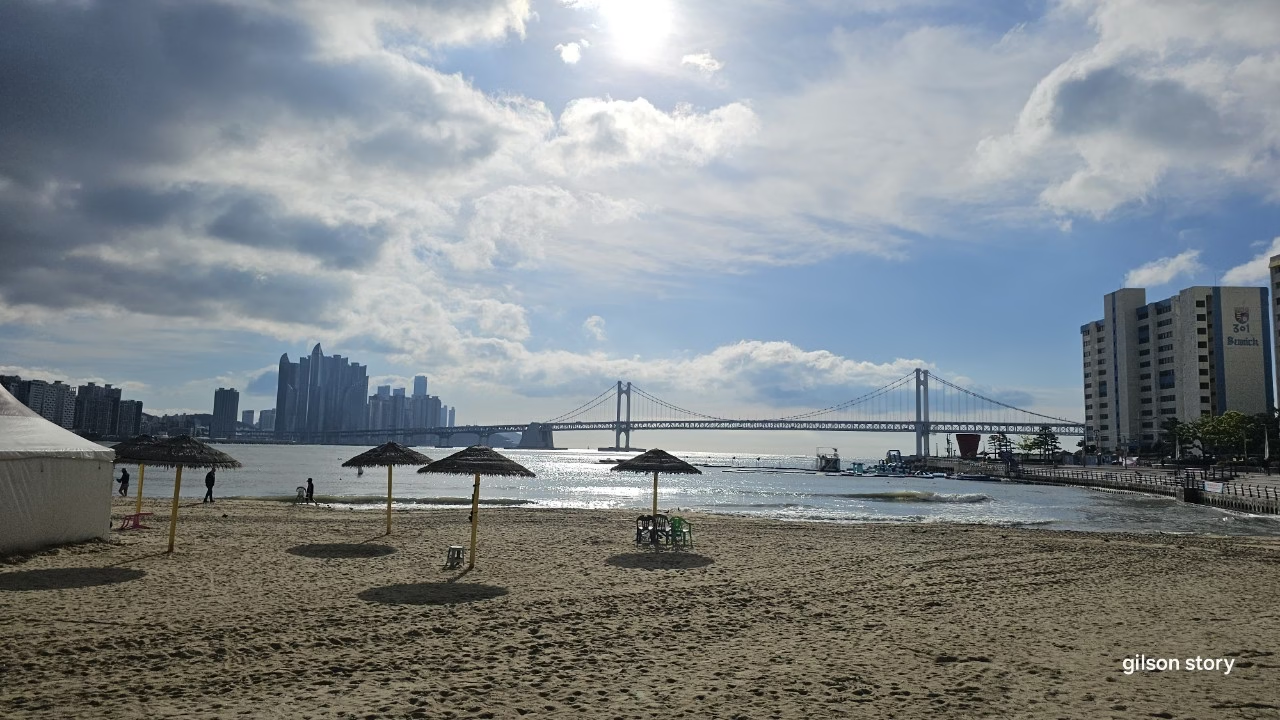
gwangalli beach busan guide
Experience one of Busan’s most vibrant coastal areas where stunning views meet lively cafes and cultural hotspots. This guide helps you navigate the best spots and hidden gems along the shoreline.
Why is Gwangalli Beach in Busan a popular destination?
Gwangalli Beach in Busan is renowned for its combination of scenic coastal views, lively atmosphere, and a variety of entertainment options that appeal to both relaxation seekers and nightlife enthusiasts. Its unique setting along the waterfront offers visitors an engaging experience with cultural events, recreational activities, and diverse dining choices.
Top Attractions and Activities at Gwangalli Beach
Despite its relatively compact size compared to other Busan beaches, Gwangalli Beach offers a surprisingly rich array of attractions and activities. Visitors often prioritize the vibrant beachfront promenade, which hosts live music events and festivals during warmer months, creating a lively social scene. Water sports such as windsurfing and paddleboarding are popular, especially given the beach’s moderate waves and safe swimming zones. For a concrete example, the annual Gwangalli Eobang Festival celebrates local culture with performances and food stalls. Compared to Haeundae Beach, Gwangalli’s atmosphere leans more toward a relaxed urban vibe, making it ideal for those seeking both leisure and entertainment within walking distance.
How to Enjoy the Sunset Views at Gwangalli Beach
Timing and Positioning
The best sunset views at Gwangalli Beach require arriving at least 30 minutes before dusk to secure a prime spot along the shore. The western-facing coastline offers unobstructed views of the sun dipping below the horizon, painting the sky in hues of orange and pink.
Practical Tips
Bringing a blanket or portable chair enhances comfort during the wait. Photographers often recommend the area near the Gwangan Bridge for capturing dramatic silhouettes against the colorful sky.
Case Study
In practice, visitors who time their arrival to coincide with the weekend sunset experience a more festive atmosphere, with street performers and vendors adding to the scene. However, this also means more crowds, so weekday evenings provide a quieter, more contemplative setting.
Exploring the Evening Atmosphere and Bridge Lights
Gwangan Bridge Illumination
The bridge’s LED light show activates at night, cycling through vibrant colors that reflect on the water, creating a mesmerizing spectacle.
Evening Strolls
The promenade is lined with benches and art installations, perfect for leisurely walks that reveal different perspectives of the illuminated bridge.
Night Photography Spot
Photographers favor the eastern end of the beach for unobstructed views of the bridge lights, especially during clear nights.
Caution
While the area is generally safe, visitors should remain vigilant after dark, particularly in less crowded sections of the beach.
Waterfront Dining: Best Restaurants and Cafes
- Local Seafood Delights: Restaurants like Millak Raw Fish Town offer fresh sashimi and grilled fish dishes, showcasing Busan’s coastal culinary heritage. These spots provide panoramic views that complement the meal.
- Trendy Cafes: Establishments such as Cafe de One serve specialty coffee with outdoor seating facing the beach, ideal for sunset views.
- International Flavors: For those seeking variety, eateries offering Italian, Korean fusion, and casual bar food line the waterfront, catering to diverse tastes.
- Reservation Advice: Popular venues fill quickly during peak hours, so booking ahead ensures a table with a view.
An evening at Gwangalli
Transportation and Access Tips for Gwangalli Beach Busan Guide
Navigating to Gwangalli Beach involves several efficient public transit options, though some constraints exist during peak seasons. The nearest subway station, Gwangan Station on Busan Metro Line 2, places visitors within a 10-minute walk of the beach. Bus routes from central Busan also serve the area frequently but may experience delays during festivals. Parking is limited along the beachfront, encouraging use of public transit. For example, tourists arriving by car during weekends often park in designated lots a few blocks away and walk to avoid congestion. Comparing transit modes, subway access offers the most reliable timing, whereas buses provide scenic routes but less predictability.
Local Insights and Hidden Gems Along the Shoreline
While the main beach area attracts most visitors, several lesser-known spots enrich the Gwangalli experience. One such gem is the small park near the eastern edge, featuring sculptures and quiet benches away from crowds. Another is the alleyways behind the beachfront, where local vendors sell handmade crafts and street food, offering authentic tastes beyond typical tourist fare. For instance, a tucked-away stall specializing in hotteok (sweet Korean pancakes) draws repeat visitors for its unique fillings. These hidden corners contrast with the bustling main strip, providing a more intimate glimpse into the local lifestyle.
Walking this part of Busan
Busan is a city you can cross on foot. The coastal trail network runs through most of the places on this page.
Check the hours before you go
Opening times, admission prices, ferry sailings and seasonal closures in Busan change more often than travel guides are updated, and the beach season, festival dates and observatory hours are all set administratively rather than by custom. The city’s own tourism listings and the municipal notice board carry the current version; anything reproduced here is a starting point rather than a timetable.
The same applies to transport. Subway operating hours shift on public holidays, and the official operator publishes those changes rather than the aggregator apps.
- Busan 5-Day Itinerary: Slow Down, Breathe Deep, Fall in Love
- How to Get Around Busan: Move Freely, Explore Fearlessly
- Busan Food Guide: Savor Every Bite of Korea's Ocean Kitchen
- Songdo Cable Car: Rise Above, See Forever
- Busan for First-Time Visitors: Your Unforgettable Korean Welcome
Walk it
We have walked to this part of Busan on foot. These write-ups cover the route, the climbs and where to start:
What This Page Does Not Cover
This page reflects our own research and, where noted, our own visits, on Gwangalli Beach Busan Guide: Explore the Best of the Coast at the time of writing. It does not show every option available, it does not track prices (these change too often to keep accurate here), and it cannot account for individual mobility, budget, or seasonal closures on the day you travel.
What Should You Know Before You Go?
See the sections above for the specifics on Gwangalli Beach Busan Guide: Explore the Best of the Coast; this page is meant as a starting point, not the final word – confirm current hours and conditions directly before you travel.
For the wider regional picture this guide fits into, see our overview: Busan Travel Tips for an Unforgettable Korean Adventure.